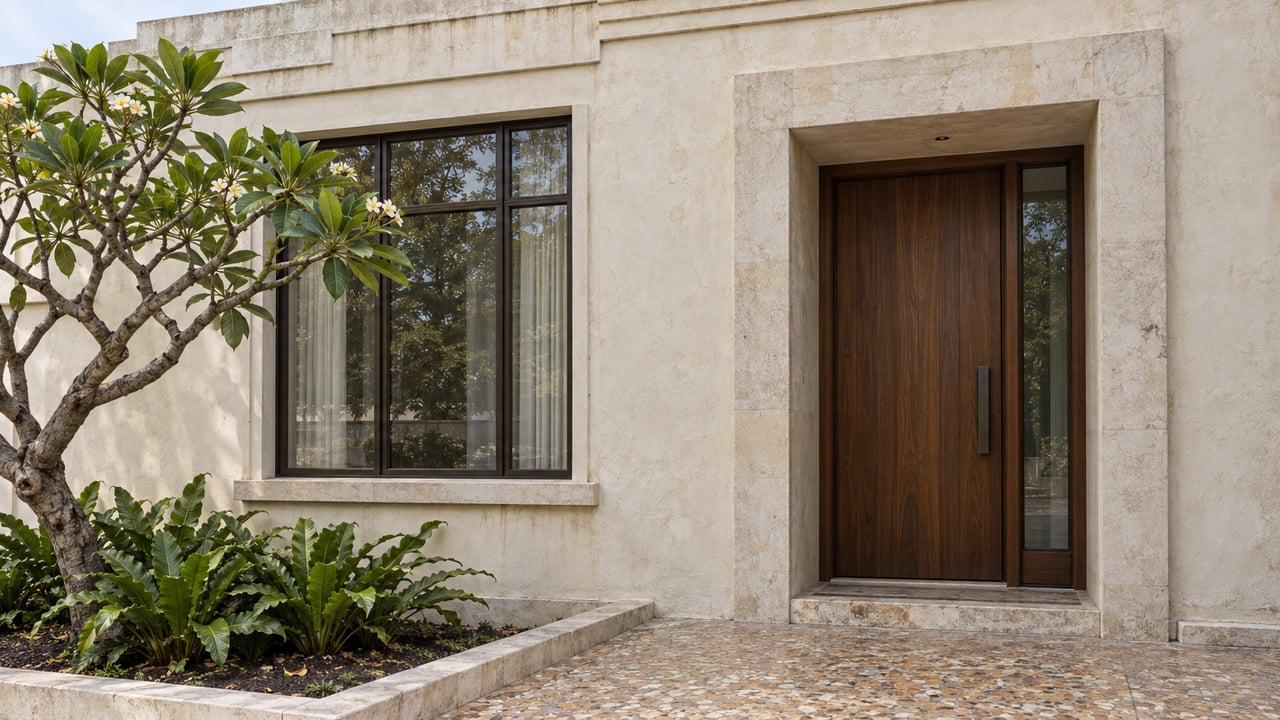
The Approval Every Historic Miramar Renovation Needs Before OGPe Will Sign Off
October 1, 2026
October 1, 2026
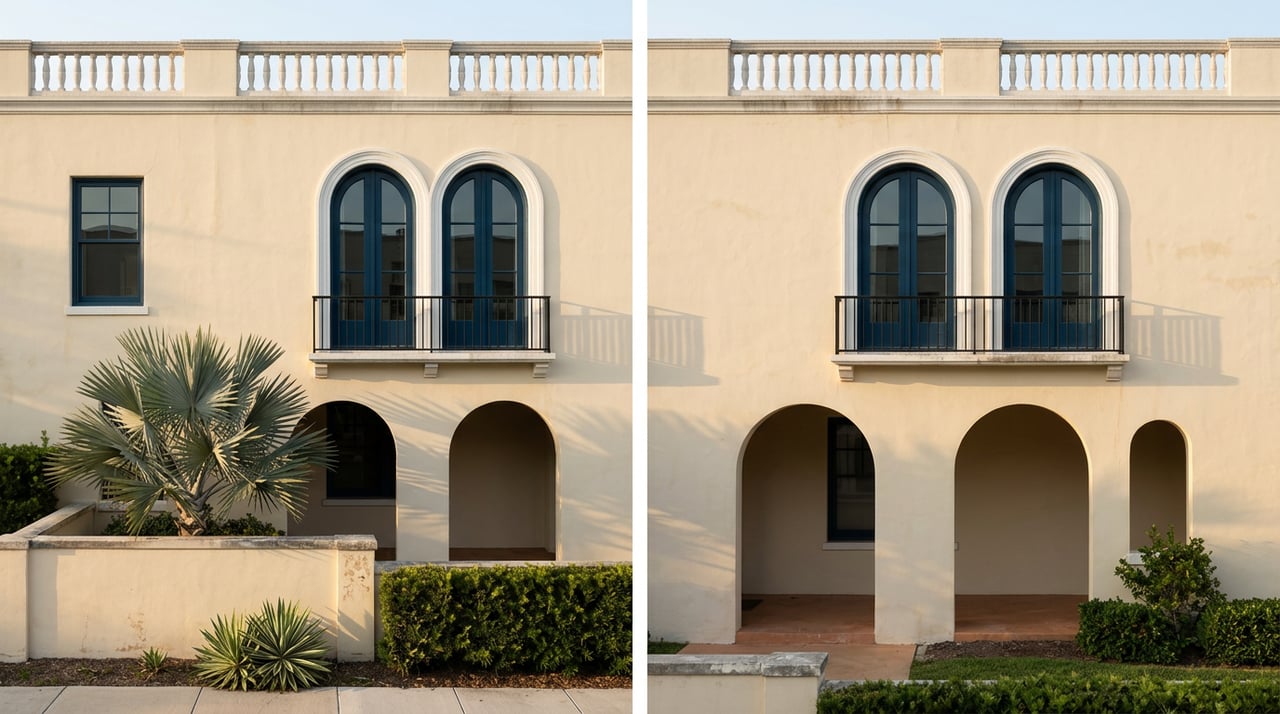
Say you've just closed on a house on Calle Trigo, one of the streets Puerto Rico's 2005 law names specifically when it declares Miramar a historic zone. The house is covered by Miramar's historic designation. You want to open up the kitchen, replace some windows, and repaint the facade before you move in. You call a contractor, get a quote, and expect the kind of permit timeline anyone renovating a house in San Juan would expect.
That's not quite how it works here. Before the Oficina de Gerencia de Permisos, or a delegated municipal permit office, will approve construction on a building covered by Miramar's historic designation, the law requires a second signature first. That signature belongs to the Instituto de Cultura Puertorriqueña, and it has to arrive before the permit does, not alongside it.
Puerto Rico's 1949 law on historic and antique zones is direct about the order of operations: for a building covered by the historic designation, the permit office cannot authorize construction, demolition, or use without the prior written recommendation of the ICP. Puerto Rico's Joint Permit Regulation for construction and land use carries that requirement forward into the modern system. Whether an application for a designated historic property in Miramar routes through OGPe centrally or through San Juan's own permit channels, the ICP's endorsement has to exist before the construction permit can be issued, not after.
That endorsement isn't limited to structural work. The ICP's own guidance on historic-property endorsements lists construction, demolition, and what it calls miscellaneous minor interventions, and it specifically calls out signage, awnings, and curtains as the kind of exterior changes that need sign-off before work starts. On a building covered by the historic designation, a facade repaint or a new storefront awning triggers the same review as a full renovation.
For a buyer used to a general contractor's four-to-six-week estimate for a straightforward remodel, this is the piece that doesn't show up in that quote. The Puerto Rico Contractor Authority notes that Puerto Rico's broader permit system already routes historic districts, flood zones, and coastal areas through additional agency concurrences before OGPe will issue anything, and permit-processing firms that work across the island routinely note that projects requiring historical review run months longer than a standard residential file, not weeks.
The reason the ICP gets a vote at all traces back to what the 2005 law was actually trying to protect. Its own preamble names the buildings it had in mind: the multi-story, Spanish Revival-style residence built for former Puerto Rico Supreme Court Chief Justice Emilio del Toro Cuebas and designed by architect O'Kelly, a neo-Gothic chapel by architect Antonio Nechodoma on Avenida Miramar, the houses along Calle Trigo, the former mansion of José Benítez on Avenida Ponce de León, Casa Aboy (now a cultural center), and Villa Giralda, also on Avenida Miramar. The law also singles out the former Instituto de Niñas building, which it earmarks to house the Conservatorio de Música.
Those buildings are the reason the ICP review looks at specific architectural elements rather than a general facade. The agency's compliance requirements call out entrance halls (zaguanes) and main staircases by name as the kind of feature that has to survive a renovation for the building to keep its historic standing. A kitchen remodel that leaves the exterior alone is a very different file than one that touches the entryway a buyer might not have realized carried legal weight.
Not every structure inside the 2005 boundary carries that weight equally. The law excludes buildings constructed after 1950 from the historic designation by default, unless the Planning Board specifically adds one back in after consulting the ICP, the municipality, and the owner. A house built in 1965 sitting inside the same block as a 1920s Spanish Revival home may not trigger ICP review at all. Confirming which category a specific property falls into, before signing a renovation contract, is worth a phone call rather than an assumption.
The ICP sign-off isn't purely a hurdle. It's also the gate to a tax exemption that has existed since 1955 and remains in force today, most recently revised in April 2024. Puerto Rico's Ley de Exención Contributiva de Zonas Históricas lets the owner of a qualifying building apply for a property tax exemption once both the ICP and the permit office have approved the work and Puerto Rico's Treasury Secretary certifies the exemption.
The term of that exemption depends on the scope of the project.
| Scope of work | Exemption term | Renewable |
|---|---|---|
| Partial improvements to an existing building | 5 years | Yes, on reapplication |
| Full restoration, or new construction on a vacant or ruined lot | 10 years | Yes, on reapplication |
The clock on either term starts on January 1 of the year after the ICP certifies that the completed work conforms to what was approved, not the day construction wraps. That's a second timing detail worth building into any renovation budget: the exemption doesn't begin the moment the paint dries, it begins the following tax year.
The exemption is renewable, but renewal has a filing deadline the agency doesn't chase for you. A complete renewal case has to be filed with the ICP six months before the current certificate expires, and the agency's own paperwork states plainly that it does not send notifications or reminders about upcoming expiration dates. An owner who assumes the exemption simply continues is the same owner who can lose it on a technicality of timing rather than a dispute over the work itself.
The exemption can also be forfeited outright, and the triggers are worth knowing before an offer goes in on a historic property, not after. Demolishing a qualifying building without prior ICP authorization voids the benefit. So does letting a building fall into enough disrepair that demolition becomes necessary. So does performing major cleaning, demolition, construction, or installing exterior elements like signage or awnings without the ICP's prior endorsement, the same category of work the permit process already requires review for. If a seller's prior renovation skipped that step, a buyer inherits a building that may not qualify for the benefit at all, regardless of how well the work was done.
For a buyer already under contract on a pre-1950s Miramar property, or close to writing an offer on one, a few questions are worth asking before a contractor's timeline gets treated as the real timeline.
Does the ICP review apply to every building inside Miramar's historic boundary? Only to structures the 2005 law actually designates, which generally means buildings predating 1950 unless the Planning Board has specifically added a later structure after consulting the ICP, the municipality, and the owner. A newer building inside the same blocks may not require the same review.
What kind of work actually needs ICP sign-off, versus a standard permit? Based on the ICP's own guidance, the list is broad: construction, demolition, and even smaller exterior changes like signage, awnings, and curtains. Interior work that doesn't touch protected architectural elements, such as the entrance hall or main staircase, is a narrower question worth confirming with a licensed architect familiar with the zone.
Who actually issues the approval, ICP or OGPe? Both, in sequence. The ICP issues the written recommendation first. OGPe, or the delegated municipal permit office handling the application, cannot issue the construction permit itself until that recommendation is in hand.
If a previous owner never applied for the tax exemption, can a new owner start the process from scratch? The exemption is tied to certified, ICP-approved work, not to the property's sale history. A new owner planning qualifying renovations can pursue the certification process independently, but there's nothing to inherit if the paperwork was never filed, and any undocumented prior work should be reviewed before assuming it would qualify retroactively.
Buying a historic Miramar home means buying into a permitting sequence most renovation quotes don't account for, and a tax incentive that rewards the owners who plan for it. If you're evaluating a property inside Miramar's 2005 boundary and want a clearer read on its actual historic status before you write an offer, Your Condado Realtor can help you get answers before the renovation clock starts, not after. Let's Connect.
This article is general information, not legal, tax or financial advice. Consult a qualified professional about your situation.
Stay up to date on the latest real estate trends.



Partner with a trusted real estate professional who combines deep local knowledge, personalized guidance, and a commitment to helping you achieve your goals.