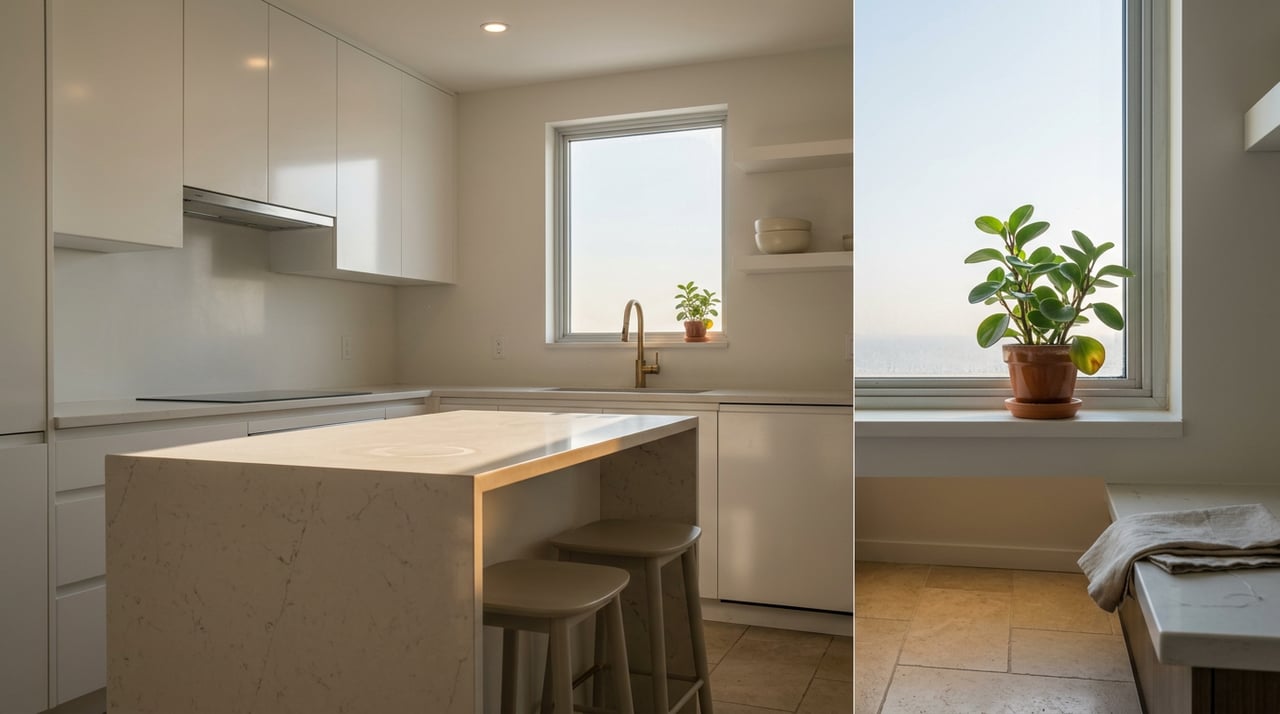
In Isla Verde, the Number That Matters Isn't the Median
August 20, 2026
August 20, 2026
Ask most sites what's happening in Isla Verde right now and they'll hand you a median price, a range, maybe a comparison to last year. The number is real. It's also the wrong one to fixate on if you're trying to understand why this particular stretch of coastline behaves differently than almost anywhere else in metropolitan San Juan.
The number that actually tells you something is the count of active listings. As of the first quarter of 2026, that count was down roughly 12 percent from a year earlier across the district. Prices climbing while inventory shrinks isn't unusual on its own. What's unusual is why it's happening here, and once you understand the mechanism, you'll shop this neighborhood differently than you'd shop Condado or Miramar, where new supply is still at least theoretically possible.
Isla Verde's beachfront strip is built out. Not "mostly built out" in the way real estate copy usually means it, but built out in the literal sense that there's no meaningful stretch of oceanfront land left to develop. What replaces an aging tower here isn't new land coming online, it's an existing building getting torn down or gut-renovated, and construction costs on the Carolina coastal corridor currently run in the range of $300 to $500 per square foot once you account for hurricane-resistant codes and the coastal land restrictions that govern anything built this close to the water.
That cost floor matters more than it sounds like it should. It means any new unit that does eventually reach the market has to clear a price that justifies luxury-tier construction, which in turn means the neighborhood has effectively lost its ability to replenish its own entry-level inventory. Every unit at the $400,000 mark that sells is one fewer at that price point, permanently, because nothing coming down the pipeline will replace it at anywhere near that number.
Zoom out to the island level and the constraint gets sharper. Puerto Rico as a whole is expected to deliver only around 420 new residential units in all of 2026. That's not a typo and it's not a rounding error, it's the entire island's new-construction pipeline for the year, competing against sustained demand from relocation, remote work, and institutional capital. Isla Verde gets a small slice of that trickle, and almost none of it lands at a price a first-time buyer would recognize as accessible.
If you walk the listings building by building instead of looking at one blended median, the story gets more specific.
| Tier | Approximate Range | What You're Buying |
|---|---|---|
| Entry, older buildings | From about $400,000 | No direct beach access, often needs updating |
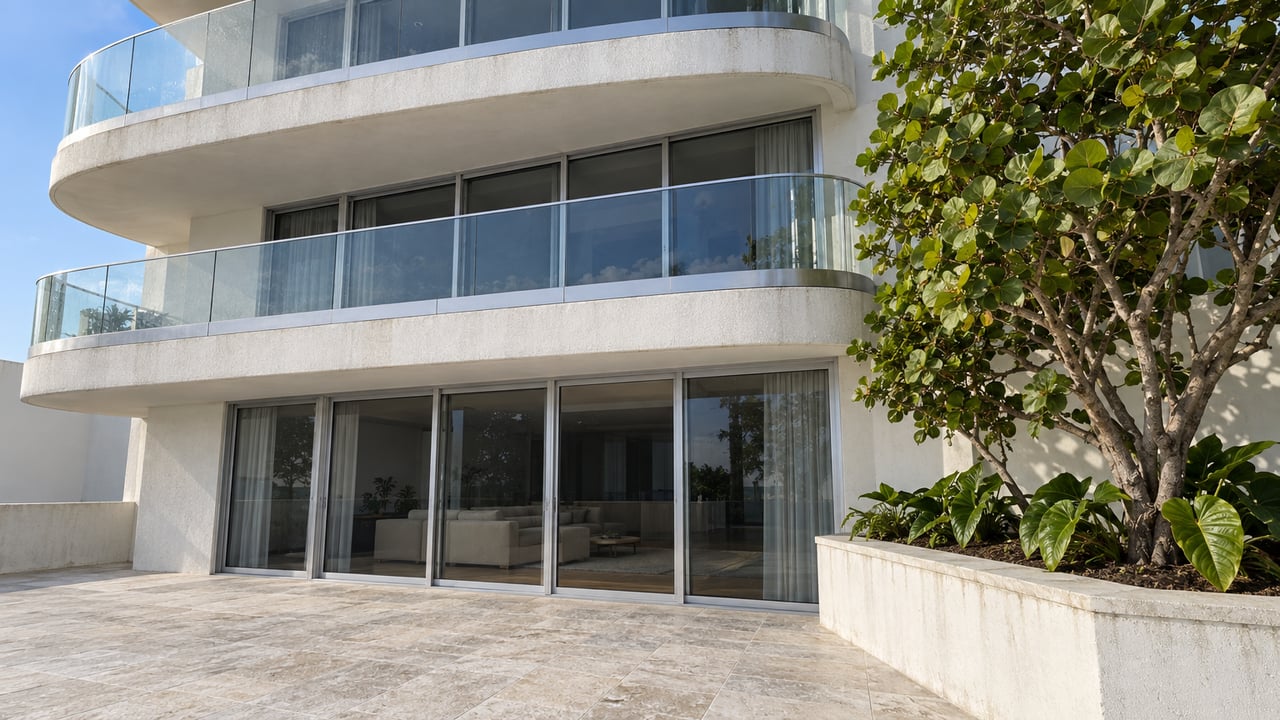
| Ocean-view, resort amenities | $600,000 to $1.8 million | Modern towers, pool decks, on-site management |
| Penthouse, direct oceanfront | $3 million and up | Top-floor units in buildings like Seabourne Tower |
The gap between the first and second tier is where the supply story bites hardest. There's no meaningful new construction happening at $400,000 to $600,000, because nothing at that cost basis can be built profitably under current construction pricing. Buyers who want that price point are competing for a fixed, shrinking stock of older units in buildings that were finished decades ago, which is a different negotiation than buying new. Condition, building-specific maintenance history, and how well a given HOA has kept its reserves funded matter more here than the listing photos will ever tell you.
The clearest recent signal of institutional confidence in this stretch of coastline isn't a condo sale, it's a hotel. The former Verdanza Hotel underwent a roughly $30 million transformation and reopened at the start of 2026 as Hyatt Centric San Juan Isla Verde, the first Hyatt Centric-branded property in Puerto Rico. The project is co-owned by Interlink and by Luis and Matías Fernández, the owners of Vivo Beach Club, and the hotel now operates with direct, integrated access to that beach club's pools, restaurants, and Ocean Lab Brewing Co.
That kind of capital doesn't move into a neighborhood on a whim. A $30 million conversion is a substantial investment in the area. For a buyer evaluating a nearby condo, that's a useful data point about the durability of the surrounding market even if it says nothing directly about any individual unit's value.
Beyond beaches and hotels, a dated policy deadline is shaping who's shopping the metro San Juan market. Puerto Rico's Act 60 tax incentive program includes a real, dated deadline that's currently shaping who's shopping the metro San Juan market right now. Under Chapter 2 of Act 60, individuals who secure their Individual Investor decree by December 31, 2026, retain access to the 0 percent rate on qualifying capital gains, dividends, and interest through the end of 2035. Anyone who applies after that date faces a 4 percent rate instead, under a longer but less favorable window, according to the law firm McConnell Valdés, which tracks the statute's terms in detail.
The mechanism that connects that deadline to Isla Verde condo listings is straightforward. Decree holders are required to purchase Puerto Rico real property as a principal residence within two years of receiving their grant, and they generally need to spend at least 183 days a year on the island to maintain bona fide residency. Every applicant racing to file before year-end is also, on some timeline, racing to close on a qualifying property. Isla Verde competes for a share of those buyers alongside Condado and Dorado, particularly among people also drawn to the neighborhood's short-term rental yields, which well-positioned oceanfront buildings have reportedly reached up to 12 percent annually,
None of this is tax advice, and anyone weighing an Act 60 decision should sit down with a Puerto Rico tax attorney before making any commitment. But as a piece of market timing, the deadline is real, it's dated, and it's compressing demand into the back half of a year when supply was already tight.
Put the pieces together and the practical takeaway for a buyer isn't complicated, it just runs against how most people are taught to shop. Don't anchor on the median. Track how many active listings exist in your target price band and watch whether that count is growing or shrinking month over month, because in a neighborhood that can't meaningfully add supply, inventory direction tells you more about where prices are headed than any single comparable sale.
Building age and condition also carry more weight here than in a neighborhood where a buyer disappointed with an older unit can simply wait for something newer to get built nearby. In Isla Verde, that newer alternative mostly doesn't exist below the luxury tier, which means due diligence on HOA reserves, hurricane-season maintenance history, and rental bylaws deserves the same attention buyers usually reserve for the unit itself.
Does the Act 60 deadline mean prices will spike before year-end? It means demand from one specific buyer segment is compressed into a shorter window than usual. What that does to any individual listing depends on the building, the unit, and how many other qualifying properties are competing for the same buyers.
Is an older, non-beachfront unit still a reasonable buy given all this? It can be, particularly for someone prioritizing lifestyle over resale flexibility. The math above explains why prices at that tier are unlikely to soften, not that they're overpriced today.
Does the Hyatt Centric conversion affect nearby condo values directly? Not automatically. It's a signal about the surrounding area's trajectory, not a comparable sale. Treat it as context, not as a number to plug into a valuation.
If you're comparing Isla Verde against Condado, Miramar, or another San Juan coastal neighborhood and want to understand what a given listing count and price band actually mean for your specific situation, Your Condado Realtor can walk through the current inventory building by building. Let's Connect.
Stay up to date on the latest real estate trends.

Partner with a trusted real estate professional who combines deep local knowledge, personalized guidance, and a commitment to helping you achieve your goals.